Plant Pro Tips
Sometimes you just need someone to give you the right tip, to keep you growing as a plant hobbyist. Remember, you’re learning and growing, just like your plants!
These are the care tips we share with every plant that leaves our greenhouse — no jargon, just what works for us.
Plants can be a lot like therapy, research shows that regularly caring for houseplants can boost mental health and help you feel at home in your nest. Checkout our PRO PLANT TIPS because we want you to be successful in your home garden! Keep growing with your plants!
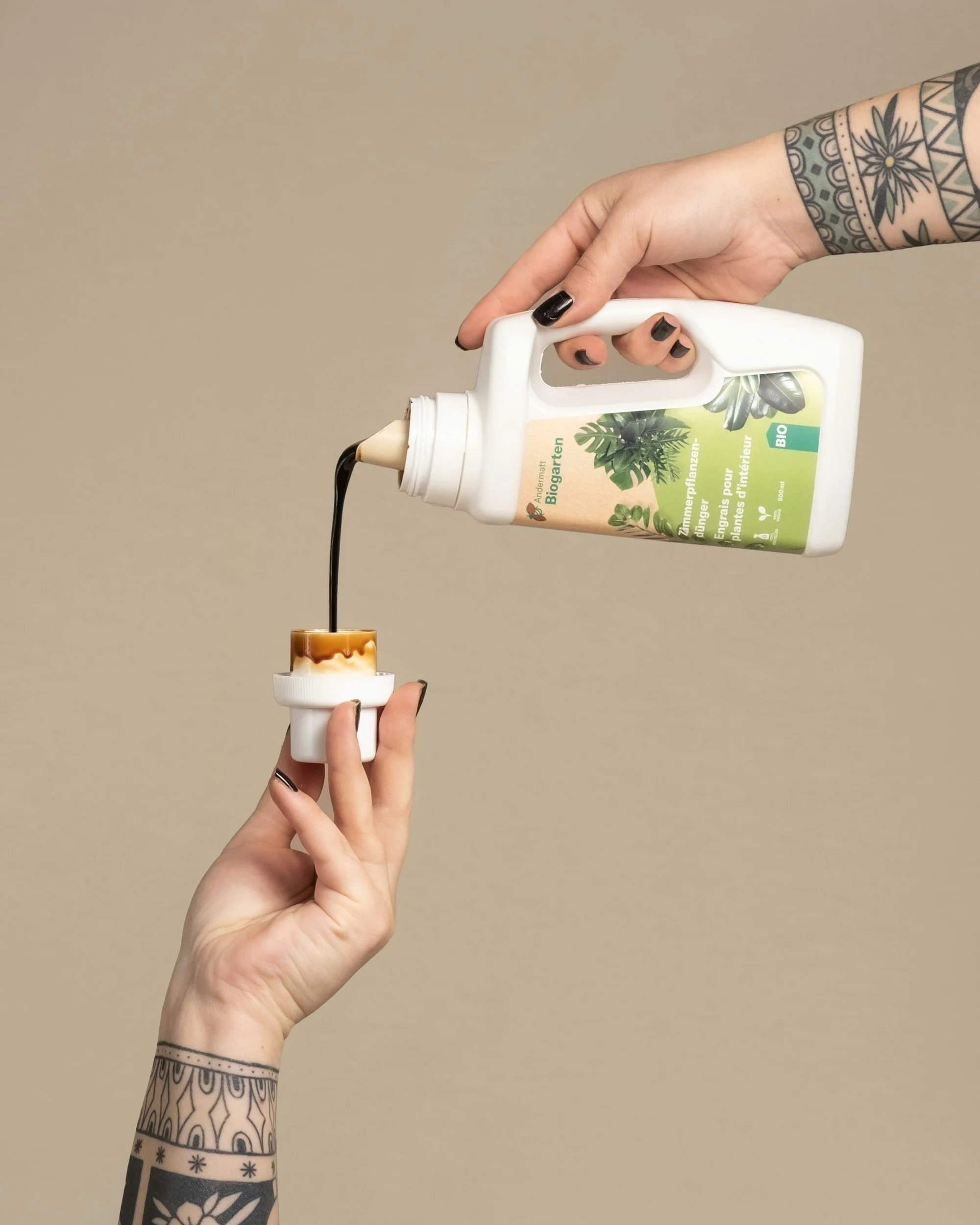
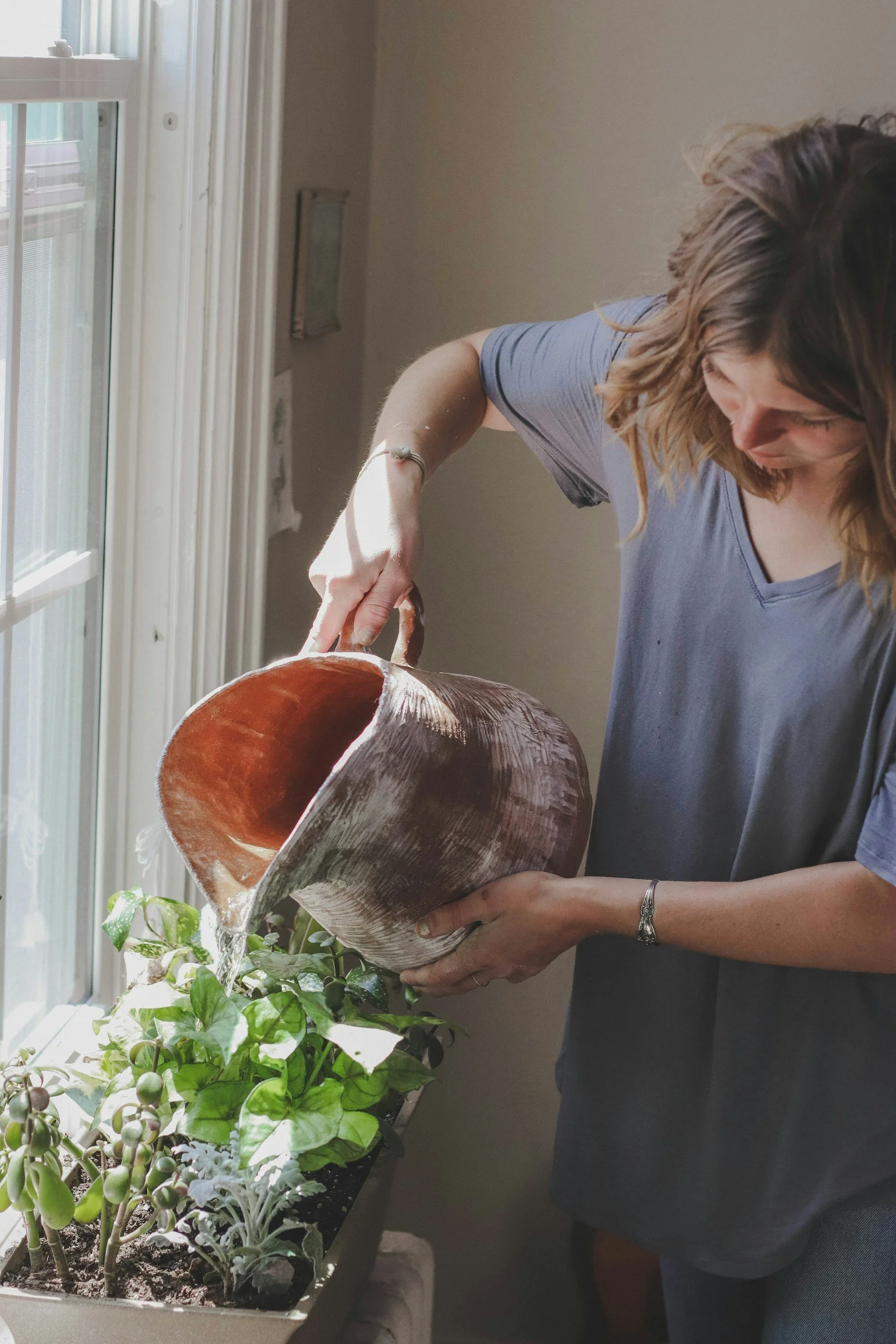
Water when the soil tells you to, not on a fixed schedule! Push a finger one to two inches into the soil: if it's dry, water; if it's still damp, wait a few days, this works for most plants. Usually, houseplants prefer to dry out slightly between drinks, and when you do water, soak thoroughly until it runs out the drainage hole, then empty the saucer. When in doubt, underwater — plants bounce back from a little thirst far faster than from soggy, rotting roots.
Water when dry, use a finger or moisture meter.
Use only dechlorinated water, tap water is usually okay, but you want your plants to thrive.
Don’t OVERWATER, sometimes, houseplants thrive on a little neglect.
Why does my pot need a drainage hole?
Roots left sitting in waterlogged soil are the most common way houseplants die from root rot. Always plant in a pot with a drainage hole. If you've fallen for a decorative pot without one, leave your plant in its plastic nursery pot and simply set it inside the pretty one — lift it out to water, let it drain, and drop it back in. These are for decoration, not plants directly.
How much should I water my plants?
No — give it time to settle first. A new plant is already adjusting to your light, temperature, and humidity, and repotting on day one piles on stress. Wait 1-2wks, then repot into the right size pot, if you see lots of roots, something 1-2” bigger than the pot it came in is best.
Don’t be THAT guy that uses a pot without drainage holes. Phew!
Should I repot my plant as soon as I bring it home?
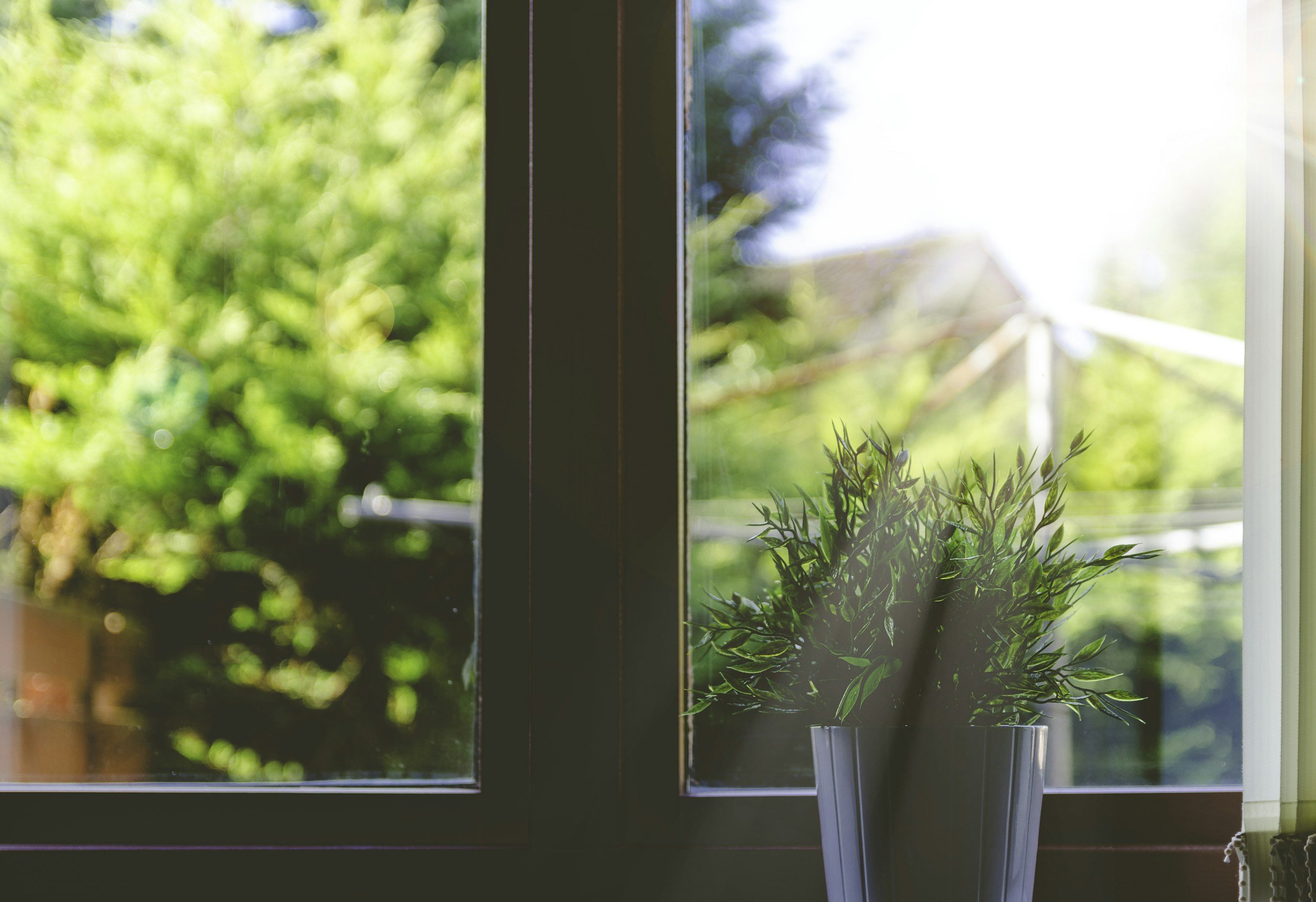
Match the plant to the light it actually needs, rather than forcing a plant into the wrong spot. "Bright indirect light" means near a window but out of the direct sun beam.
Quick test: hold your hand over the spot — a sharp, crisp shadow means bright light, a soft fuzzy shadow means medium, and barely any shadow means low light. Stretched, leggy growth and fading color usually mean too little light, while bleached or crispy patches mean too much. If your plant seems unhappy, it probably is!
How much light does my plant need?
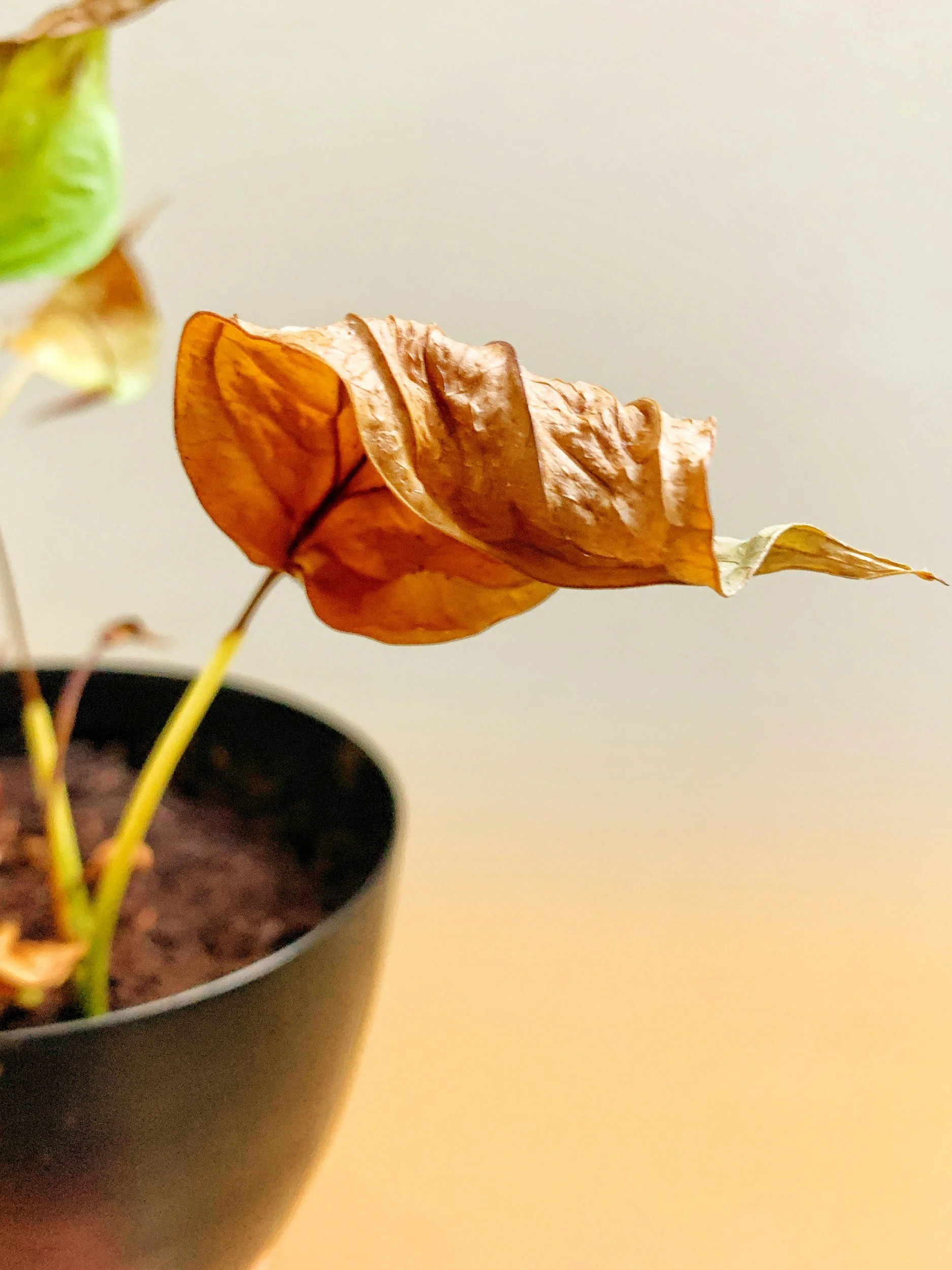
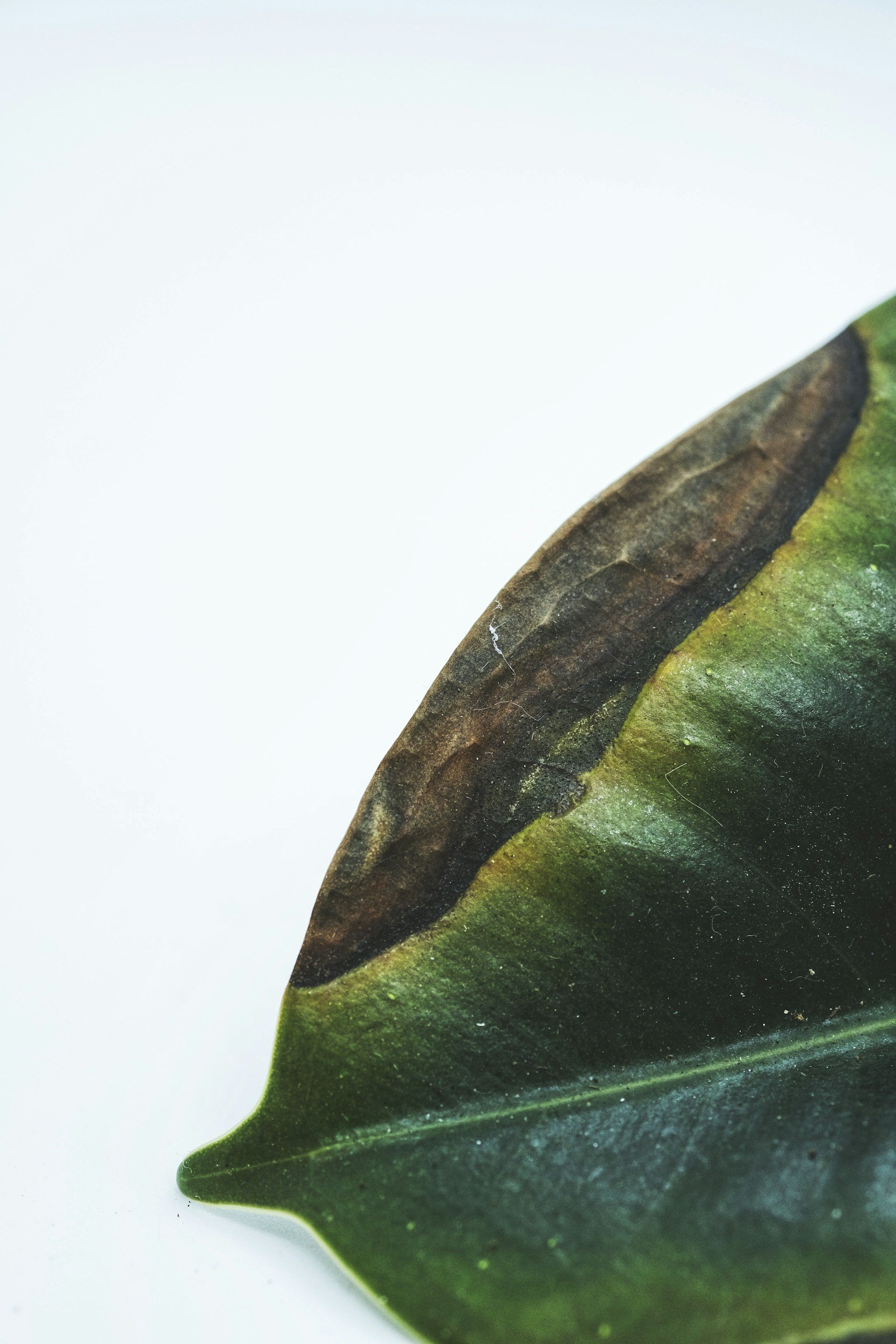
Your plant's leaves are a status report. Yellowing lower leaves often point to overwatering, while brown, crispy tips usually mean dry air or inconsistent watering. Pale, stretched-out new growth signals too little light, and a sudden leaf drop is typically shock from a move, a draft, or a temperature swing. Read the symptom, adjust one thing at a time, and give the plant a couple of weeks to respond.
Fun Fact: The most common houseplant mistake is overwatering, which can lead to browning leaves, as your plant is drowning in its pot!
How do I keep houseplants happy in dry Colorado air?
Colorado's dry climate and winter heating pull indoor humidity low, which most tropical houseplants dislike. Brown leaf tips are the classic sign your air is too dry. Group plants together so they share moisture, set them on a tray of pebbles and water, or run a small humidifier nearby — a meaningful boost during our cold, dry winters.
Adding a hydrometer can give you a good sense of the humidity in your home, compared to what your plants prefer.
Know what your plant needs!

Why are my plant's leaves turning yellow or brown?
How do I catch plant pests early?
Every plant parents worst nightmare is a bug infested mess.
Don’t worry, pest are easy to prevent and treat if you stay vigilant!
Make a quick inspection part of watering. Glance under the leaves and along the stems for spider mites, mealybugs, or fungus gnats — catching them early makes them far easier to handle. Always keep a new or struggling plant separated from the rest of your collection until you're sure it's pest-free.
Use organic solutions like a neem oil based spray, diatomaceous earth or beneficial bugs like nematodes for a savvy solution and prevention method!
Do I really need to clean my plant's leaves?
Yes — dusty leaves won’t soak up light efficiently, which quietly slows your plant down. Wipe broad-leaved plants with a soft, damp cloth every few weeks, use a gentle neem oil & organic soap spray to get an added shine! As a bonus, these close-up moments are the easiest way to spot pests before they become a problem and are a great chance to appreciate the beauty of your garden home.
Just remember, mistakes are an opportunity to keep learning and growing right with your plants!
If you have any questions, feel free to reach out! We love our Mile High House Plant community!